





Technical Guidance for Retrofit, Heritage & Electrified Residential Design
Designing buildings today means balancing compliance, performance, and space efficiency.
Electric radiant heating—specifically infrared (IR) heating—offers architects a low-carbon, invisible alternative to traditional wet systems and heat pumps.
This guide explains how infrared heating works, how it integrates into architectural design, and how it aligns with Part L and the Future Homes Standard.
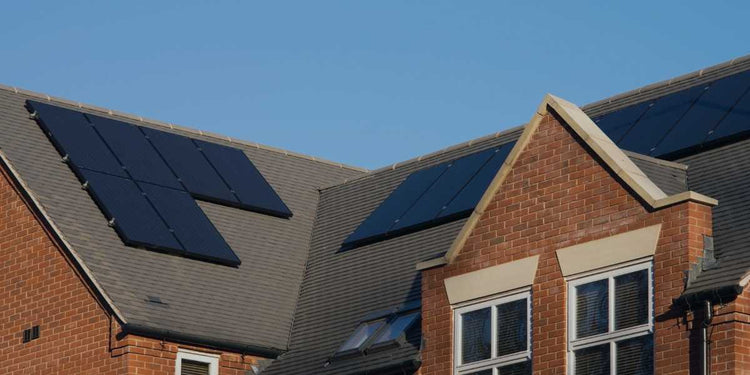
Electrification of Heat in Retrofit Context
Across the UK, retrofit and conversion projects present recurring design constraints:
- Limited service voids
- Absence of plant space
- Solid wall construction
- Listed or conservation restrictions
- Electrically supplied apartments
- Occupied dwellings requiring low disruption
Heating system selection is often driven as much by installation practicality as theoretical performance.
Principles of Electric Radiant Infrared Heating
-
Key Design Characteristics
Key Design Characteristics
- Surface-based heat distribution
- Reduced reliance on air circulation
- Zonal room-by-room control
- Flexible integration within floors or ceilings
Understanding these principles is essential when evaluating system suitability.
- Surface-based heat distribution
Benefits of IR Radiant Heating System
-
Healthier Indoor Air
-Absence of dust circulation
-No mold growth (surfaces remain warm and dry)
-Suitable for individuals with asthma and allergies
-
Smart Control Compatible
With Smart Control, homeowners get:
-Weekly schedules
-Open window detection
-Presence detection
-Remote control via smartphone
-
Comfort You Can Feel Immediately
Indulge in the comforting feeling of far infrared warmth — as if enveloped by sunlight.
-
Fast Installation & Zero Maintenance
-Underfloor, Ceiling film installs in hour
-No pipes, boilers, or annual servicing required
-
Infrared heating is ideal for:
-New builds
-Renovation
-Extensions
-Aparments
-Social housing
-Garden rooms & home offices
-
Works with Renewables
The product is designed to work seamlessly with solar, battery storage, and grid optimization systems.
Suitable Applications in Architectural Projects
Residential Retrofit
- Solid wall terraces
- Flats without gas supply
- Loft conversions
- Apartment refurbishments
Heritage & Conservation Buildings
- Restrictions on flues
- Limitations on external equipment
- Sensitivity to structural alterations
Modular & Timber Frame Construction
- Lightweight build-ups
- Garden rooms
- Off-gas developments
- All-electric design strategies
System suitability should always align with building fabric and zoning capability.
-
Installation & Design Integration Considerations
Radiant systems may be integrated:
- Beneath finished floor coverings
- Within ceiling voids
- Within lightweight structural assemblies
- Beneath finished floor coverings
-
Design Coordination
Architectural planning typically includes:
- Heat loss calculations
- Electrical load planning
- Insulation detailing
- Control zoning strategy
Early-stage coordination supports optimal performance and installation efficiency.
- Heat loss calculations
-
Regulatory & Compliance Considerations
When specifying electric heating systems, architects should review:
- Energy-related Products (ErP) requirements
- Lot 20 control compliance
- Seasonal efficiency classifications
- Smart control functionality
- Building Regulations Part L implications
- Energy-related Products (ErP) requirements
Modern compliant systems incorporate programmable thermostats, open window detection, and zonal control functionality.
Compliance documentation is available upon request.
| System | Infrared Heating | Heat Pump | Gas Boiler |
|---|---|---|---|
| Space Requirement | None | External + cylinder | Boiler + pipework |
| Installation | Simple electric | Complex | Complex |
| Retrofit Suitability | Excellent | Limited | Moderate |
| Maintenance | None | High | Medium |
| Response Time | Instant | Slow | Medium |
| Zoning | Full control | Limited | Limited |
| Future Homes Standard | ✅ Compatible | ✅ Compatible | ❌ Phasing out |
Key takeaway: Infrared offers the simplest route to electrification without spatial compromise.

Technical Resources & Specification Support
Architectural practices may request:
- Technical datasheets
- Installation guidance
- Wiring diagrams
- Heat load support
- Compliance documentation
- NBS-style specification clause
Support is available during concept design and detailed specification stages.
Frequently Asked Questions
We can provide preliminary guidance on system suitability, layout considerations and electrical load planning based on concept drawings or outline project information.
Early coordination helps assess feasibility in constrained retrofit environments and supports informed heating strategy decisions.
Yes. Architects may submit floor plans for initial layout guidance and room-by-room heating assessment.
This typically includes:
- Indicative heating zone allocation
- Installation positioning guidance
- Electrical load overview
- Control zoning recommendations
Yes. NBS-style specification clauses can be supplied to assist inclusion within project documentation.
Supporting technical datasheets and compliance declarations are also available upon request.
Yes. Documentation relating to ErP classification, control compliance and product performance can be provided to support regulatory review and specification justification.
We deliver a 60-minute educational seminar covering:
- Radiant heat principles
- Retrofit integration considerations
- Comparative system analysis
- Regulatory context
The session supports continuing professional development and may be recorded by attendees in accordance with their professional body’s guidance.
Yes. Project consultations can include:
- Heat loss input guidance
- Zoning strategy discussion
- Installation coordination advice
- Integration planning
Consultation is intended to support design development rather than replace professional building services engineering input.
Engagement is most beneficial during concept or early technical design stages, particularly where structural or service constraints may influence heating strategy.
Game-changing IR Infrared Film: The Future of Home Heating
iHelios radiant infrared heating film is a leading choice in the UK due to its:
- Ultra-thin profile
- High thermal efficiency
- UK EU Safety Compliance
- Full Lot 20 (ErP) compliance