What Is Underfloor Infrared Heating?
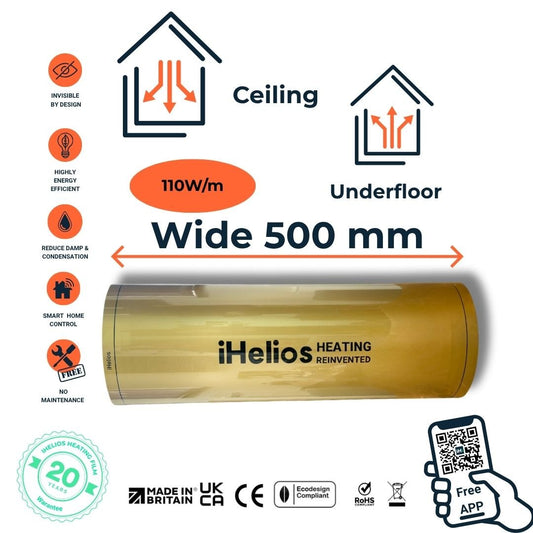
iHelios infrared underfloor heating film is an ultra-thin electric radiant heating system installed beneath suitable floor finishes, delivering comfortable, even warmth without radiators, pipework or bulky equipment.
With smart room-by-room control, each space can follow its own temperature and schedule, while the low-profile film makes it ideal for renovations, new builds and projects where floor height matters.
Warm floors. Clear walls. Smart, invisible heating.
Unlike water-based or cable systems, our electric underfloor heating film offers:


Electric Underfloor Heating vs Wet Underfloor Heating
Traditional wet underfloor heating uses warm water circulated through pipes embedded in the floor. It is often well suited to new-build homes where floor construction and screed depth are planned from the outset. However, installation can be disruptive in existing buildings, and systems typically have slower warm-up and cool-down times due to their thermal mass.
Electric underfloor heating, including infrared heating film, is generally easier to install in renovation projects. Because it requires minimal floor build-up and no pipework or manifolds, it is often chosen where disruption needs to be kept to a minimum. Electric systems also respond more quickly, making them well suited to zonal and on-demand heating.

How Electric Infrared Underfloor Heating Film Works
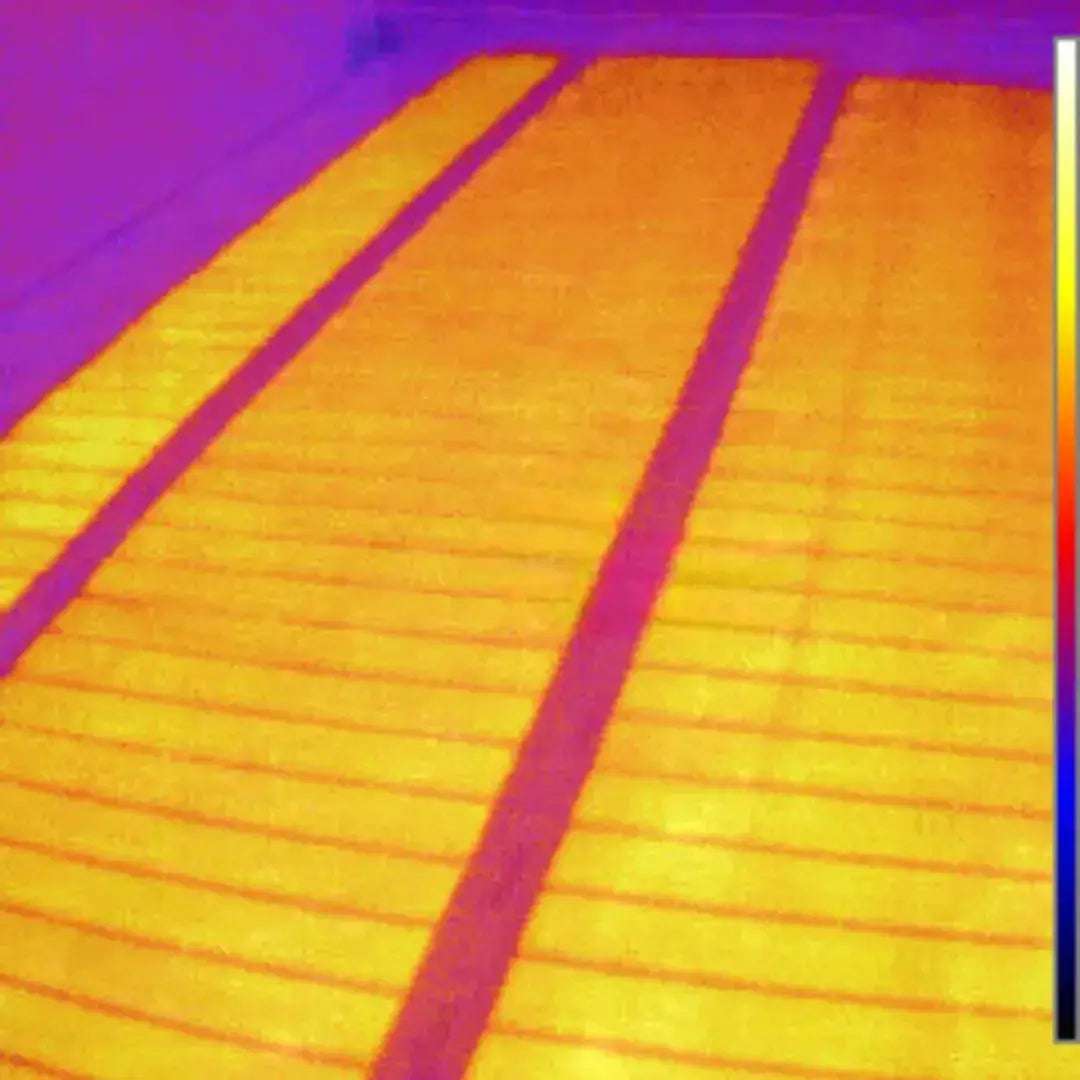
Infrared underfloor heating film converts electricity into gentle radiant heat. It warms people and surfaces directly, while the floor surface distributes comfort evenly across the room. With zonal thermostats, you can heat only the rooms you use and schedule heating around your lifestyle.
Why it feels different from radiators
| Radiators | Heating Film |
|---|---|
| Heats air first | Heats objects first |
| Hot ceiling, cool floor | Warm floor, balanced room |
| Air movement | Still air comfort |
| On/off temperature swings | Stable temperature |
| Local heat source | Whole-room radiant heat |
Floor Types Compatible With Underfloor Heating Film
Electric underfloor heating film is commonly used under:
Laminate
Engineered wood
Vinyl / LVT
Carpet (with suitable low-tog underlay)
Tiles
Benefits of installing heating film under laminate flooring.
Transform the way you heat your space with our innovative electric underfloor heating film. Designed to deliver gentle, radiant warmth beneath your feet, this ultra-thin system is perfect for modern homes, offices, and renovations. Whether you're upgrading a single room or installing in a new build, our underfloor heating provides consistent, efficient heat—without compromising your interior design.
Unlike bulky radiators or complex wet systems, electric film can often be installed quickly, maintains a low profile, and minimal routine maintenance.
Enjoy fast heat-up times, zoned control, and the comfort of silent operation. All systems are compatible with smart thermostats, allowing full scheduling and remote app control.
From complete floor heating kits to accessories and thermostats, our underfloor heating collection offers everything you need for a future-ready heating solution.
Floor Heating Calculator
Find the perfect infrared heating solution for your space
Select your floor type
Enter your room size
Your recommended heating solution
Your selections

Simple Installation, Lasting Results
Most electric underfloor heating film installations follow a simple process: prepare the subfloor, add insulation where required, lay the film, connect wiring and sensors, then connect to a compatible thermostat. Final electrical connections should be completed to UK regulations by a qualified professional.
Infrared Underfloor Heating Film – Technical Overview
| Specification | Details |
|---|---|
| Film thickness | ~0.5 mm ultra-thin carbon film |
| Power output | 66W/m, 110w/m, 220w/m |
| Film width | 300mm, 500mm, 1000mm |
| Voltage | 230V |
| Installation | Designed for straightforward installation |
Underfloor Heating Frequently Asked Questions
Yes, when installed correctly with appropriate controls and protection. Use a compatible thermostat and ensure electrical connections are completed to UK regulations.
Running cost depends on insulation, room size, set temperatures, and your electricity tariff. Smart zonal control and good insulation make the biggest difference.
Laying the film is often straightforward for competent DIYers, but final electrical connections and testing should be completed by a qualified professional.
iHelios underfloor heating film adds minimal floor height—only 0.5mm for the film itself, thinner than a credit card. For laminate, vinyl, or carpet, it integrates seamlessly with no noticeable elevation. Always measure your floor’s tolerance and consult our team for tailored advice.
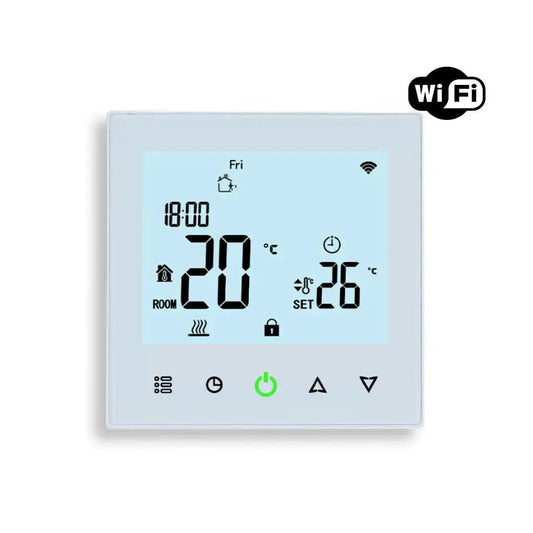
Yes, iHelios underfloor heating film integrates with smart thermostats for full remote control via apps like Living Reinvented or Tuya platform, compatible with Alexa, Google Home. Schedule heating for specific zones (e.g., living room only) or adjust temperatures from anywhere using your smartphone.
iHelios underfloor heating film requires low maintenance, unlike water-based systems with pumps or boilers. The solid-state iHelios infrared film has no moving parts, reducing wear and tear. Enjoy hassle-free warmth for decades with iHelios.
-
Pre-Order & Save
Infrared Underfloor Heating Film Kit 1000mm – Electric Radiant Floor Heating UK
From £59.15 (incl. VAT) -
Pre-Order & Save
Infrared Heating Film Kit 500mm – Underfloor & Ceiling Electric Heating System UK
From £56.00 (incl. VAT)